Guardians of the Wall Four-Player Co-op
How to run a Steam raid without stacking three shotguns.
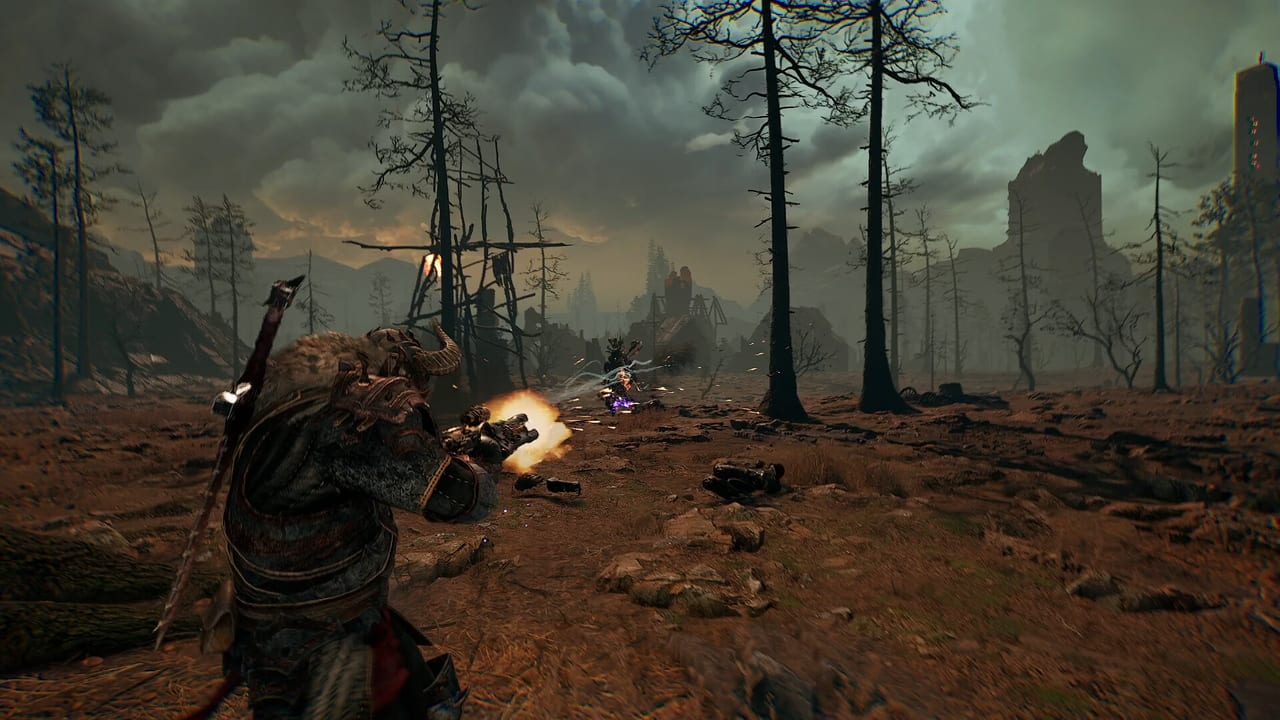
Guardians of the Wall is built for online co-op. Steam lists multiplayer, co-op, and online co-op, with a four-player cap in the feature list, and it still lets you run solo. That combination is the whole social design: you can learn the verbs alone, but the game is sold as a fireteam walking out of the Bastion together. This page is the group manual. Bring it into voice chat before the first ready-up.
If nobody in the stack has played, send them Getting Started first. If they already know the six combat verbs, stay here.
What Steam actually confirms
- Up to four Guardians in a raid
- Online co-op, not a split-screen couch mode
- Solo still available if the group falls apart
- Family Sharing is listed; do not assume it covers a playtest entitlement
- Partial controller support, so mixed keyboard and pad lobbies will happen
There is no published LAN mode, no published cross-play, and no console SKU. Trailer comments already asked for consoles. Until Boiling Bits posts one, plan on four Windows PCs on Steam. Track platform news on the updates hub.
Build a four-stack with three jobs
Boiling Bits named three combat styles, not twelve classes. Use them as seats:
- One frontliner — takes the street, blocks the overhead, and decides when the group pushes a palisade gate. Details on the Guardian roster.
- One ranged specialist — owns lanes and rooftops. Their job is to stop runners from reaching the caster.
- One elemental caster — the weird damage and the control tool, including the kind of off-hand lash seen in screenshots.
- The fourth seat — a second frontliner for messy villages, or a second ranged if you keep wiping to density. Do not make the fourth seat “whatever.”
If you only have two players, drop the duplicate and keep frontline plus ranged. Two casters with no meat shield is how a torch village eats you. Role math for damage and survival is expanded on hero builds and ranked, with a pre-release warning, on the hero tier list.
Hosting, invites, and who owns the raid
Boiling Bits has not published a matchmaking essay. For the playtest, assume Steam overlay invites and a listen-server or dedicated-host model that can still desync. Practical rules:
- The player with the strongest CPU and the most stable connection hosts. Unreal Engine 5 horde fights spike when four people throw grenades in fog.
- Invite from the Bastion, not from the middle of a raid, until you confirm late-join works.
- If someone hard-crashes, wait at a doorway, not in an open graveyard. The raids and bosses page is where you decide whether to hold or extract.
- Voice is not listed as a Steam feature with a built-in radio. Use an external app. Call specials by silhouette (“white hair runner left”) until official names exist.
Cross-region play will feel worse than a same-region stack. This is a melee-plus-gun game; 120 ms on a dash looks like a lie.
Loot, essences, and not stealing the run
Raids drop resources, essences, rare materials, and temporary mods. The store page is clear that only permanent rewards return to the Bastion. That creates two social contracts:
Mid-run mods belong to the person who can use them this raid. A shotgun elemental roll on a pure melee frontliner is a team buff only if they actually swap to the gun. Say it out loud.
Permanent essences should be discussed before the extract screen. If the playtest has a need-or-greed prompt, use it. If it is free-for-all on the ground, assign a loot caller. Nothing tilts a four-stack faster than two people rolling the same rare material while the caster is still empty-handed.
Spend Bastion currency on the group’s missing verb, not on four copies of the same ultimate. Weapons and items explains which rewards are raid-only.
Combat manners
Grenades are friendly-fire risks until proven otherwise. The explosion screenshot is huge; it will cover a frontliner. Ping a throw or throw behind the pack, not at your tank’s feet.
Do not body-block a dash lane. The horned heavy needs a straight line out of a grab.
If a teammate is being beaten in a doorway, you have two tools: a gun and a grenade. Melee stacking four people in a one-meter gap is how you all get hit by the same overhead. Practice that spacing in combat and controls.
When a world event like The Breach of the Wall eventually lands, treat it as a new raid modifier, not as a reason to ignore roles. Evolving battlefields still need a frontliner.
Playtest-specific co-op advice
The first playtest started 3 September 2026. Builds will be incomplete. Heroes will be missing. You may only have one or two kits unlocked. That is fine. Run the kits you have, write Steam notes about host migration and item duplication, and do not pretend you are practicing the launch meta. Access steps are on How to Join the Playtest.
If a friend cannot get a key, they can still watch and take notes. Do not share accounts. Do not buy keys from randoms. Official access is the Steam button, also summarized on wishlist and access.
Four people who read this page once will wipe less than four people who all watched the trailer and queued as the same horned shotgunner. The Wall needs a stack, not a costume contest.
Frequently Asked Questions
Quick answers to the most common questions.
Is co-op drop-in on consoles?
No console version is listed. Steam is Windows PC, with online co-op up to four and a solo option.
How many players should we bring?
Four is the advertised cap. Two works if you cover frontline and ranged. Three is the sweet spot when someone is still learning combat.
Is there local split-screen?
Steam does not list split-screen. Co-op is described as online. Play on four machines, not one TV.
What if we only have one hero unlocked?
Stay on that kit, assign jobs by gun versus melee, and read hero builds after the playtest adds more Guardians.