Guardians of the Wall Raids and Bosses
How a run beyond the Wall is supposed to start, spike, and end.
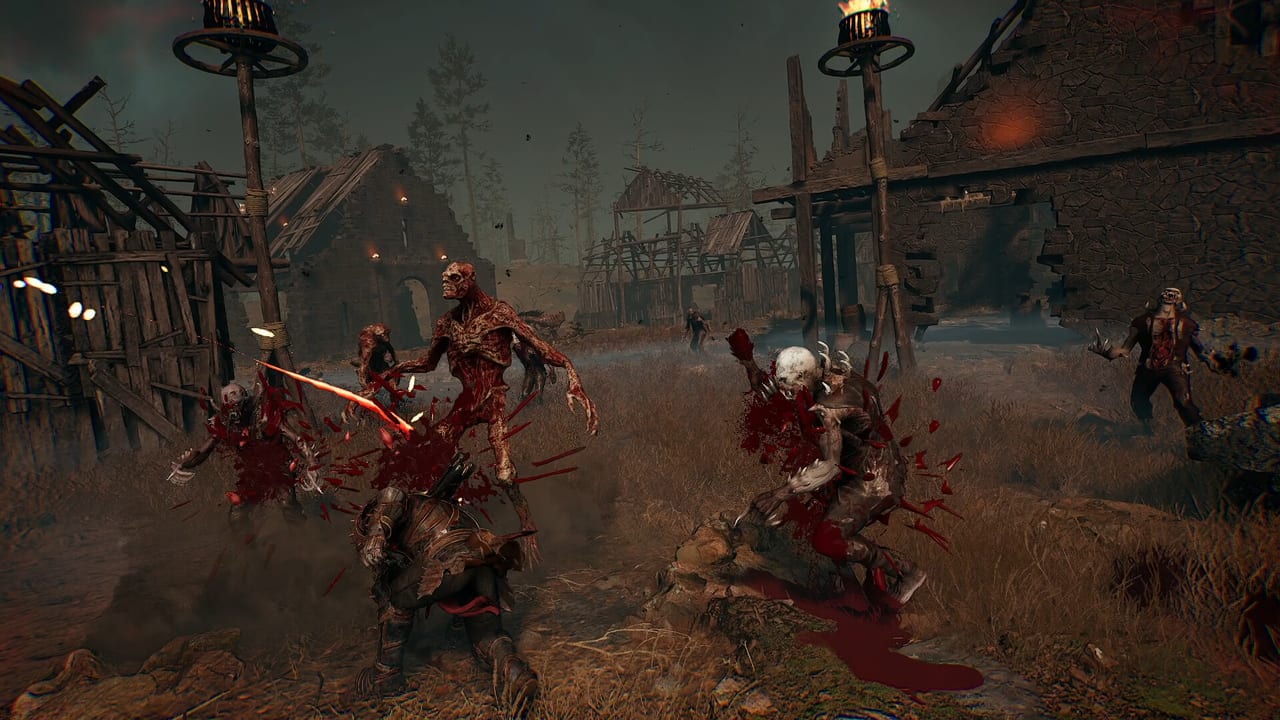
A raid in Guardians of the Wall is one trip beyond the Wall and back to the Bastion. Steam describes that trip as a mix of handcrafted arenas and procedurally generated zones, undead in waves, epic bosses, and a loot rule that matters more than any boss name: temporary upgrades stay in the raid, permanent rewards come home. This page is how to play that contract without turning every pedestal into a wipe.
Named boss list? Not published. We will not invent one. When Boiling Bits posts a boss, it will land on the updates hub and here in the same week. Until then, learn the structure.
The raid contract
- Leave the Bastion with a kit you understand. Getting Started and hero builds exist for that.
- Survive density. Villages, palisades, and graveyards are not corridors; they are bowls that fill.
- Accept or skip mid-run mods. Greed is allowed. Greed is also how you die.
- Kill the raid’s large enemy, or extract if the playtest offers an early out. Do not assume a wipe still pays.
- Spend what actually returned. Essences wasted on a hero you cannot select next run are vanity.
That five-step loop is the roguelite. Everything else is flavor: bells, darkness, the line “the Wall must stand.”
Map language you can already use
Official locations are types, not a tourist list:
- Ruined strongholds and wooden villages — torch poles, palisade gates, broken cabins. The melee village screenshot is this space. Tight streets punish grenades that bounce back.
- Forgotten graveyards — named on Steam, not yet shown as a unique tileset in the public shots we use. Expect worse vision and more crawlers.
- Cursed battlefields and haunted ruins — open sightlines for ranged specialists, worse for a frontliner who cannot see the flank.
- Frozen wastelands — listed in key features. Fog and distance. Dash toward audio, not toward the pretty mountain.
Procedural encounters sit on top of those biomes. If a layout repeats, the spawn timing will not. Call the pack, not the landmark.
World events such as The Breach of the Wall are advertised as battlefield-changers. Treat a Breach raid as a modifier set: more cracks, more density, maybe a different extract. Do not build a whole tier list around an event you have not run.
Hordes versus bosses
Hordes are the default. Screenshots show mixed undead: crouched bloodied bodies, a tall gaunt figure, a white-haired runner, and a heavier silhouette in the smoke. Kill order for a four-stack:
- Runners and grabbers first (they delete a caster)
- Tall reach enemies second (they delete a block-hold)
- Chaff last, with grenades and shotgun cones
Bosses are called “epic” on the store page and appear in the trailer as larger threats, not as a raid-denying homework assignment. Until we have a name, use generic boss hygiene:
- Assign the frontliner to the boss’s feet so the rest of the team can see telegraphs.
- Save a grenade for the add wave, not for the boss’s health bar.
- If the boss has a grab, dash is the answer more often than block. Confirm that in combat and controls.
- If the playtest boss drops a session perk, the person who is struggling to stay alive gets it, not the person with the highest damage.
Mid-run upgrades: a greed policy
Steam’s raid section is explicit. During each run you can find temporary upgrades, weapon modifications, and session-based perks. You can stack bonus damage, elemental effects, or defensive boosts. Then most of it disappears.
Write a table on a sticky note:
- Take a defensive perk if the last wipe was a one-shot.
- Take an elemental gun mod if your ranged seat is dry on grenades.
- Skip a slow two-hander melee mod if you are the only mobile frontliner.
- Skip a greed shrine in a doorway. Doorways are where four people die to one overhead.
Call the skip. Silent greed is how co-op groups break. The co-op guide has the loot manners; this page is the raid timing.
Extracts, wipes, and what to bring home
We do not have an official extract animation description. We do have the rule that only permanent rewards carry back. Play as if a wipe can eat the temporary pile. If the playtest later proves that wipes still bank essences, we will say so on the playtest notes. Until then, extract when the kit is good enough, not when the map is empty.
Back in the Bastion, spend on the verb that saved you: dash, block, grenade, or the weapon type you actually fired. Weapons and items is the shopping list. Do not unlock a third hero until you can survive a village on the first.
How to beat a raid you have never seen
“How to beat” searches will flood this wiki after launch. For the playtest the answer is boring and correct:
- One frontliner, one lane-holder, one control kit
- Grenades for density, guns for runners, melee for the boss’s feet
- No pedestal in a choke
- Leave when the session perks have peaked, not when you are bored
If your group still cannot clear, the problem is probably hardware hitching, not lore. Check system requirements before you blame the frontliner. Then run it again. The Wall does not care about your first impression. It cares whether you come back from the dark with something that stays.
Frequently Asked Questions
Quick answers to the most common questions.
Are boss names available yet?
No public named roster of bosses exists. We describe raid structure and will add names when Boiling Bits publishes them on Steam news.
Do mid-run upgrades carry to the next raid?
Steam says only permanent rewards return to the Bastion. Treat session perks as raid-only unless a later patch says otherwise.
Should we full-clear every map?
Not if the playtest lets you extract. Leave when the kit is strong. Greed is how village doorways wipe a co-op stack.
What is The Breach of the Wall?
A named world event in the Steam key features. It is described as a battlefield-changing challenge, not as a dated season with a known reward track.